
~Seeing the Roof of Africa Through New Eyes~
Hiking Kilimanjaro is breathtaking, with stunning landscapes and a thrilling summit.
Mt. Kilimanjaro
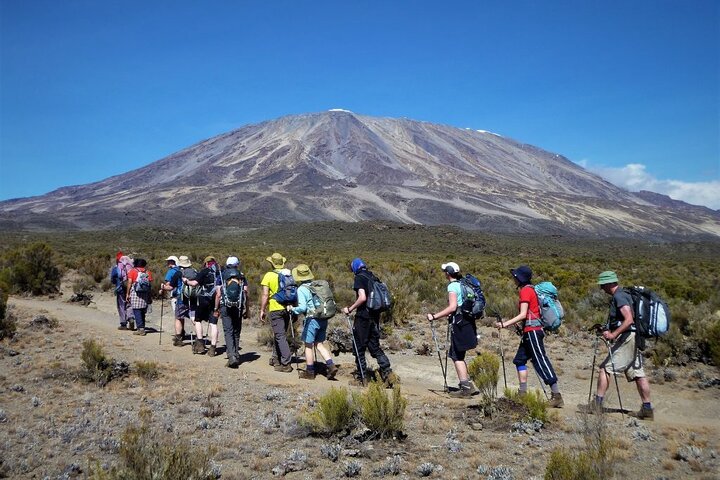
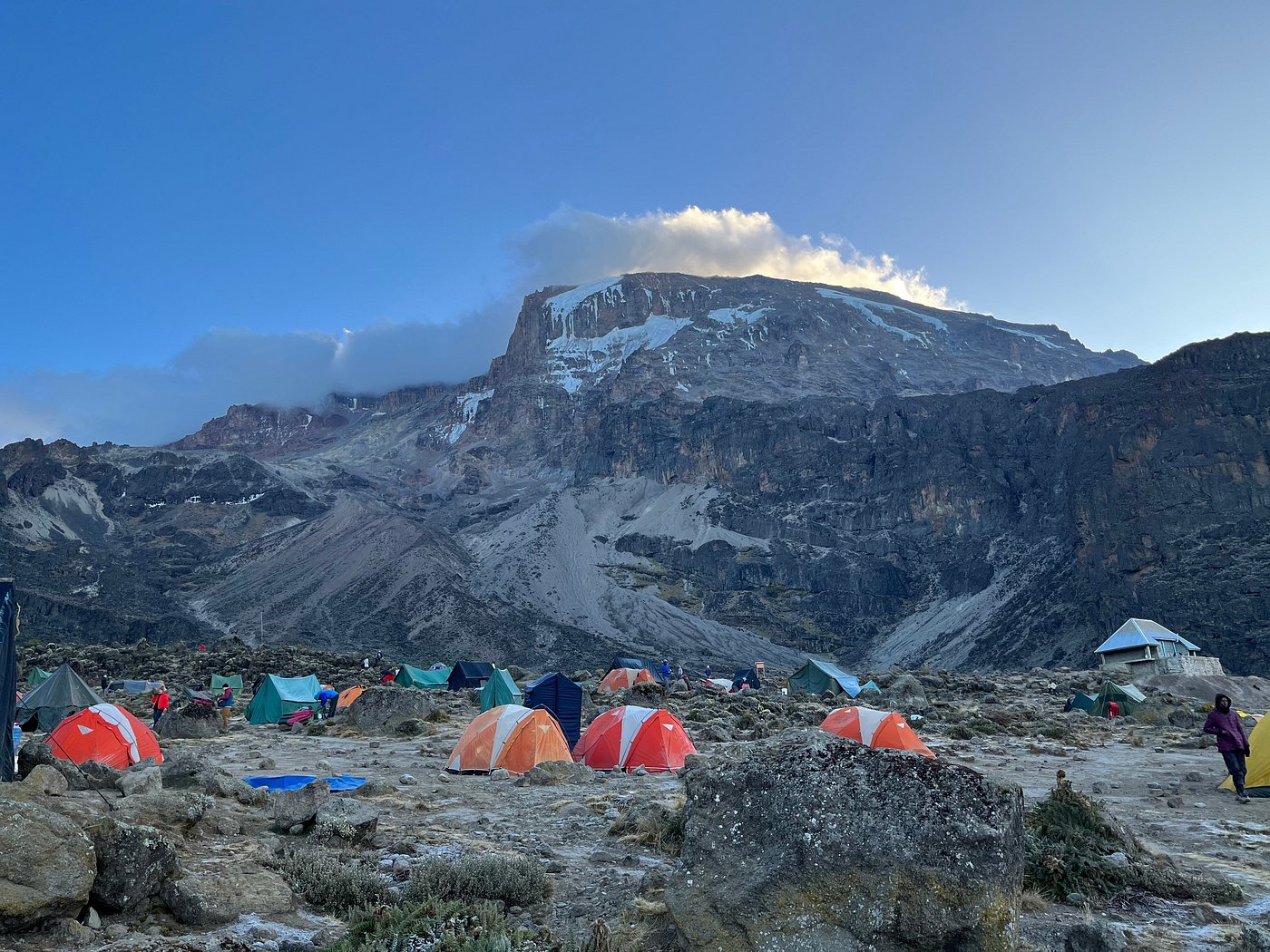
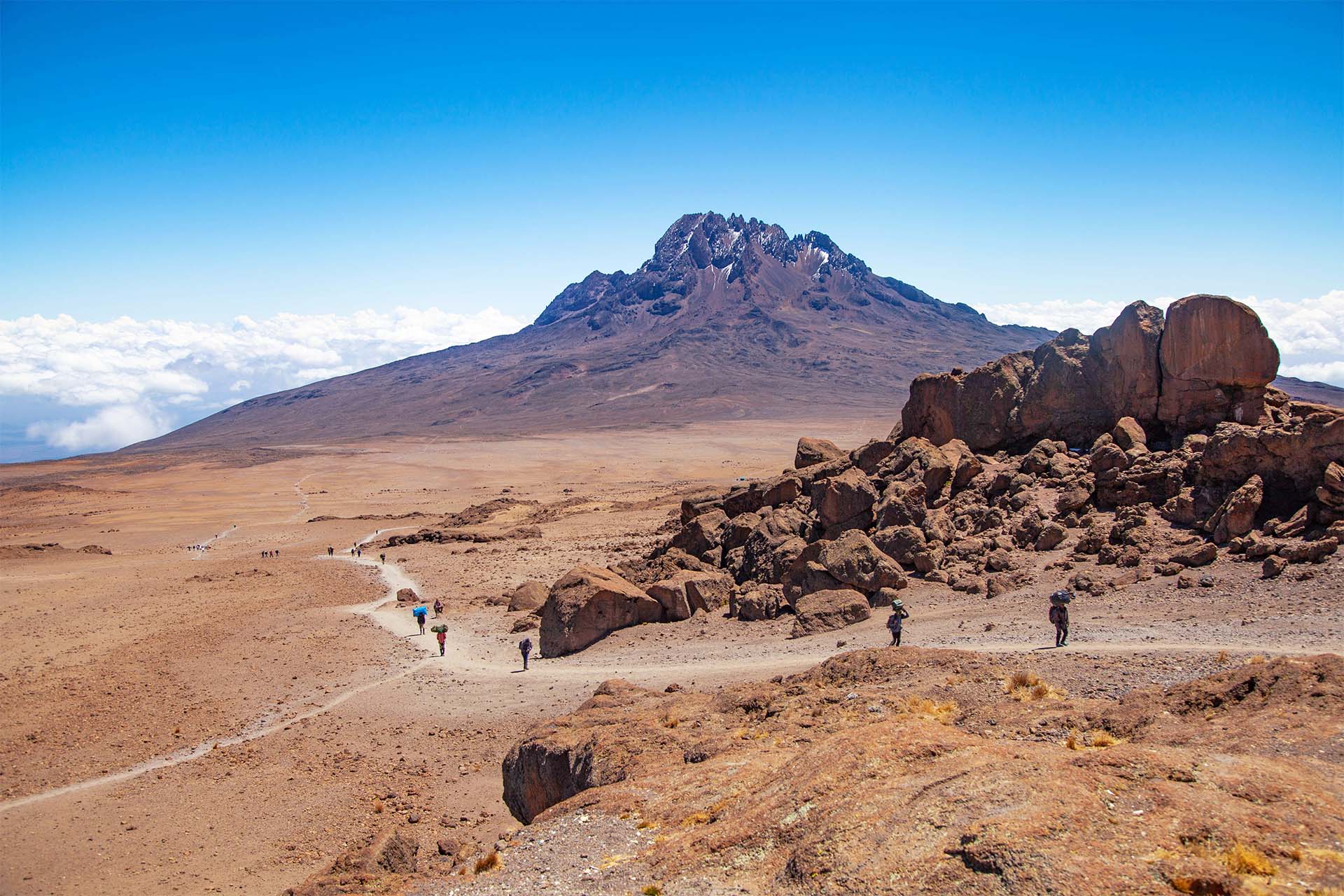
Mount Kilimanjaro, Africa’s highest mountain, rises in northern Tanzania and offers one of the world’s most rewarding trekking experiences. Reaching 5,895 meters (19,340 ft) at Uhuru Peak, the mountain features diverse landscapes shaped by the volcanic cones of Kibo, Mawenzi, and Shira, and spans multiple climatic zones—from rainforest to alpine summit.
Climbing Mount Kilimanjaro is possible via established routes such as Machame, Lemosho, Marangu, Rongai, Umbwe, and the Northern Circuit, each offering a unique balance of scenery, acclimatization, and challenge. Longer routes are especially popular for their strong summit success rates and quieter trails.
Eagle Vision Safari is a professional Kilimanjaro trekking company in Tanzania, providing safe, ethical, and personalized Kilimanjaro climbing packages led by certified local guides. Our climbs emphasize proper acclimatization, small group sizes, and porter welfare, supported by essential safety equipment and trained mountain staff.
Treks are available year-round, with the best conditions typically from January to March and June to October. Climbers may also extend their journey with Mount Meru climbs, cultural experiences, or Tanzania safari packages, creating a complete adventure from summit to savannah.
N.B:
The specified number of days for each route (see options below) does not include arrival and departure days. For instance, if the Marangu route is listed as 6 days, you should allocate an additional 2 days for arrival and departure, bringing the total to 8 days.
Explore the Kili Routes

Mount Kilimanjaro Trekking FAQs
The ideal time to climb Mount Kilimanjaro is during the drier months, particularly from January to February and June to October, with September being especially popular for clear skies and optimal visibility. Tanzania experiences two rainy seasons: the long rains from late March to early June and the short rains from November to early December. Although Kilimanjaro can technically be climbed year-round, those planning treks during the rainy periods are advised to consider northern routes such as Rongai, Northern Circuit, and Marangu, which typically receive less rainfall and provide a more comfortable and safer trekking experience.
There is no single “best” route for climbing Mount Kilimanjaro, as the ideal choice depends on factors such as fitness level, age, hiking and altitude experience, time available, and personal preferences for scenery, crowds, or remoteness. Some of the most recommended routes for both success and experience include the Northern Circuit, which is the longest route offering excellent acclimatization and high summit success rates; the Lemosho Route, known for its scenic and gradual ascent; the Machame Route, popular for its diverse landscapes; and the Rongai Route, which is quieter and particularly suitable during rainy seasons. Selecting the right route not only enhances your enjoyment of the trek but also improves safety and increases your chances of reaching the summit successfully.
When choosing a Kilimanjaro tour operator, price should be just one part of your decision. Extremely low or unusually high costs can indicate compromises in safety, guide quality, or porter welfare. At Eagle Vision Safari, we provide fully guided Kilimanjaro climbs at transparent, fair rates, covering all park fees, supplying nutritious high-altitude meals, and ensuring experienced guides and porters are fairly compensated. Our climbs prioritize safety, ethical practices, and a memorable trekking experience, offering value and service that matches or exceeds premium operators.
Climbing Mount Kilimanjaro typically requires a minimum of 5 days, but most successful summits are achieved on 7- to 9-day itineraries. Proper acclimatization is critical—each extra day on the mountain significantly increases your chances of reaching the summit, while shorter routes can raise the risk of altitude sickness. For a safe, enjoyable, and rewarding trek, we strongly recommend 7 or more days, offering the ideal balance of comfort, acclimatization, and summit success.
Mount Kilimanjaro’s weather is influenced more by altitude and time of day than by the season. As you ascend, you will pass through several distinct climate zones: the lower slopes are warm and humid (21–27°C / 70–80°F), the mid-altitudes become cooler and drier, and summit nights can drop as low as -29°C (-20°F). This wide range of temperatures makes proper layering and high-quality gear essential for safety and comfort throughout the trek.
Mount Kilimanjaro has been successfully climbed by people ranging in age from 7 to 88, including differently-abled climbers. The key requirements are reasonable physical fitness, the ability to walk for multiple days, and a willingness to move slowly and rest frequently. With proper preparation, careful pacing, and adequate acclimatization, Kilimanjaro is achievable for many first-time trekkers.
Climbers are responsible for their personal gear, while the operator provides all communal equipment, including tents, food, and cooking supplies. Essential personal items include waterproof and insulated jackets, thermal base layers, hiking boots, a sleeping bag, and a daypack. During the trek, you carry only a light daypack, while your main gear is transported by porters, allowing you to conserve energy and fully enjoy the climb.
Yes. Kilimanjaro is often climbed by first-time trekkers. No technical climbing skills are required, but good preparation, fitness, and the right itinerary are essential for success.
Many climbers begin by climbing Mount Meru as an acclimatization trek before tackling Kilimanjaro, and then extend their adventure with safaris to Serengeti, Tarangire, Lake Manyara National Park, and Ngorongoro Crater, or cultural and day tours in Moshi and Arusha. Combining these experiences allows travelers to maximize the value of their trip while enjoying a richer and more diverse Tanzanian adventure.